
Preparing for a Vietnamese Dining Experience: What You Need to Know


Understanding Vietnamese Cuisine
Vietnamese cuisine is a vibrant and diverse culinary tradition that combines flavors, textures, and aromas. Known for its balance of sweet, salty, sour, and spicy, each dish offers a sensory delight. The staples include rice, noodles, fresh herbs, and fish sauce, creating a unique blend that is both healthy and flavorful.
Essential Vietnamese Dishes to Try
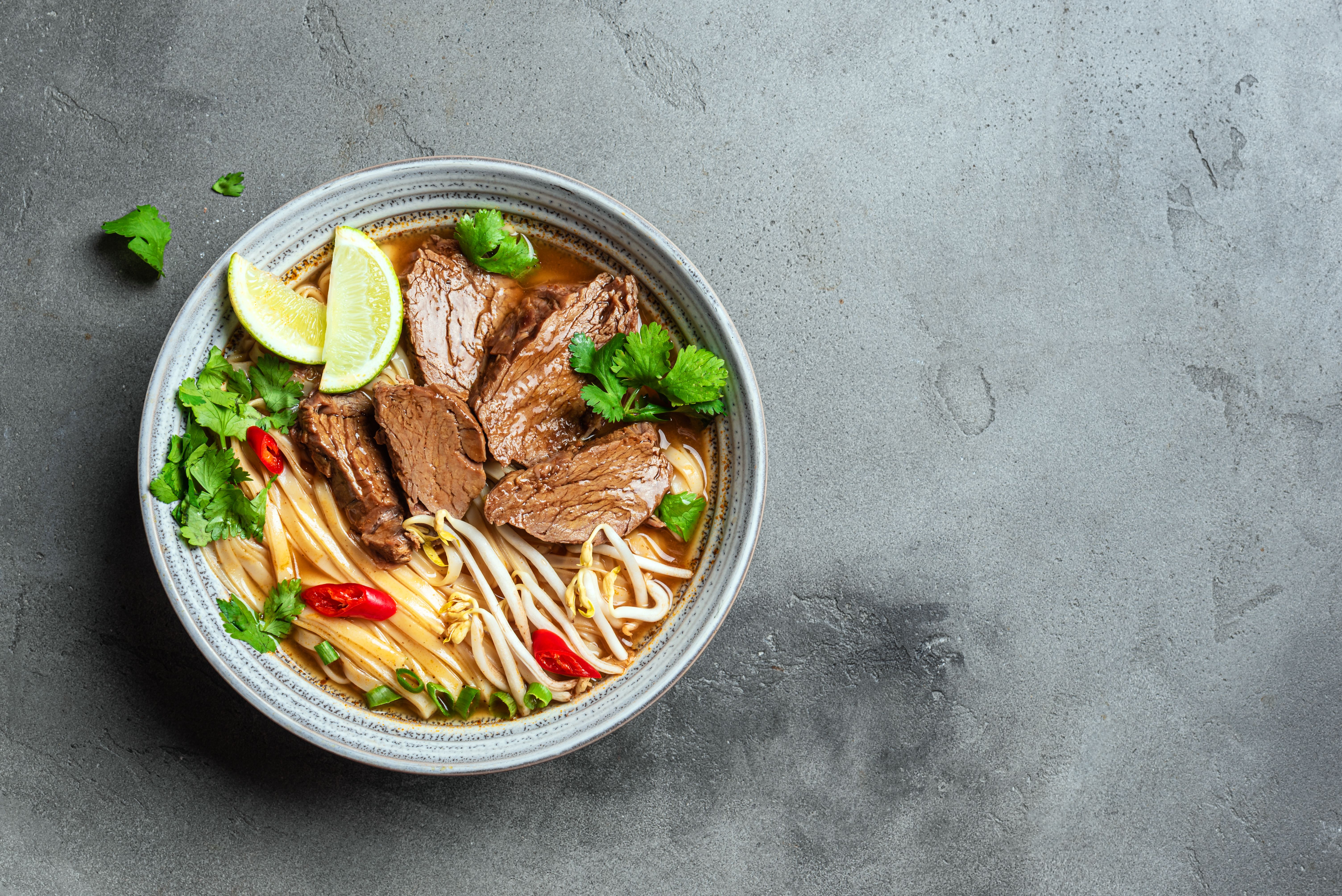
To fully appreciate a Vietnamese dining experience, you should be familiar with some essential dishes. Phở, a noodle soup with a rich broth, is a must-try. Bánh mì, a French-inspired sandwich, offers a delightful combination of pickled vegetables, herbs, and meat on a crispy baguette. Don't miss Gỏi cuốn, fresh spring rolls that are light yet satisfying.
Navigating a Vietnamese Menu
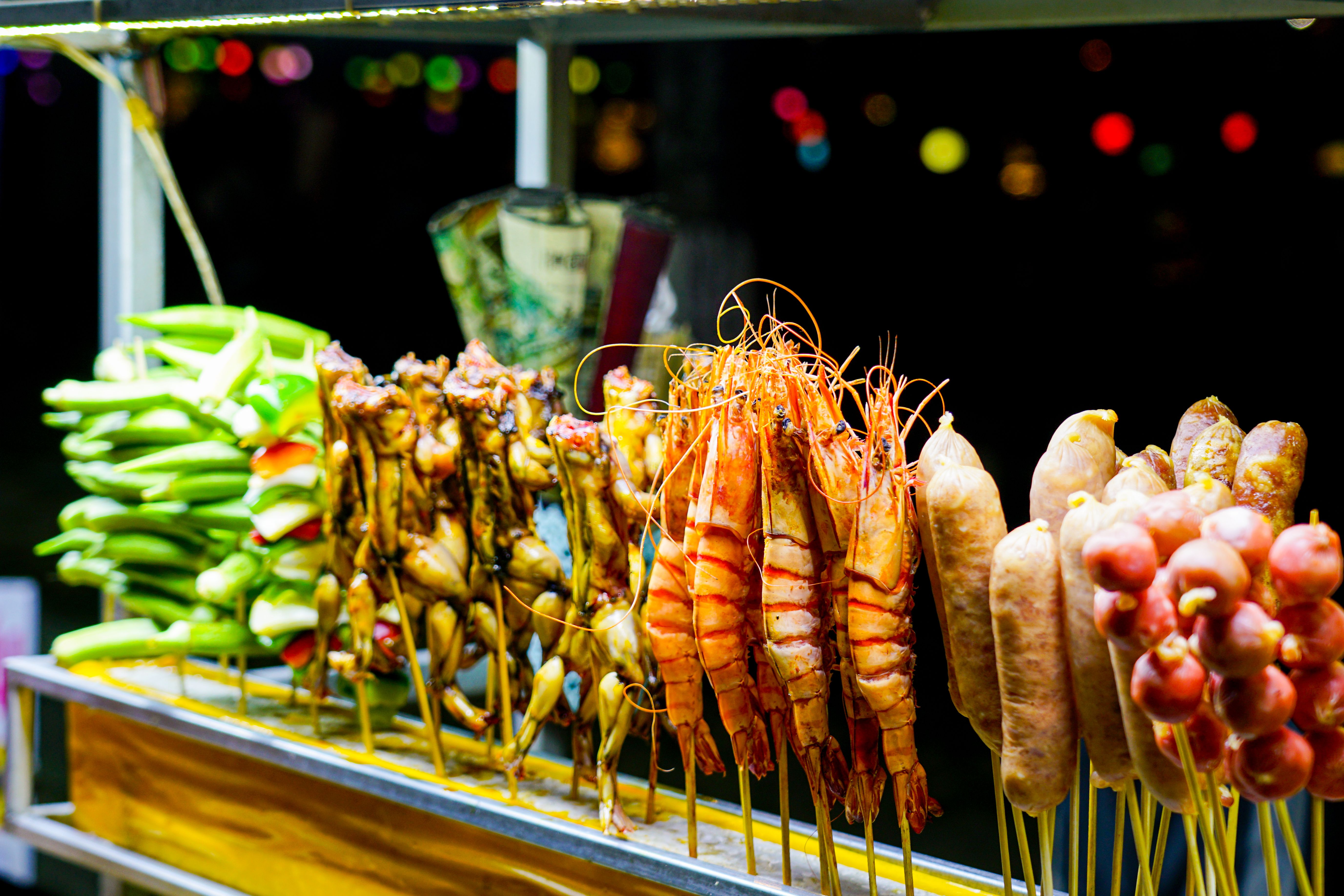
Vietnamese menus can be extensive, often categorized by types of food such as noodles, rice, and seafood. It's helpful to know some common terms: "Gà" means chicken, "Bò" is beef, and "Chả" refers to sausage. Understanding these can enhance your ordering experience and ensure you try a variety of dishes.
Dining Etiquette in Vietnam
Understanding the dining etiquette is essential for a true Vietnamese experience. Meals are often communal, emphasizing sharing and interaction. It's customary to wait for the eldest to start eating before you begin. Using chopsticks properly is also important; avoid sticking them upright in your rice as it resembles incense at funerals.
The Role of Fresh Herbs
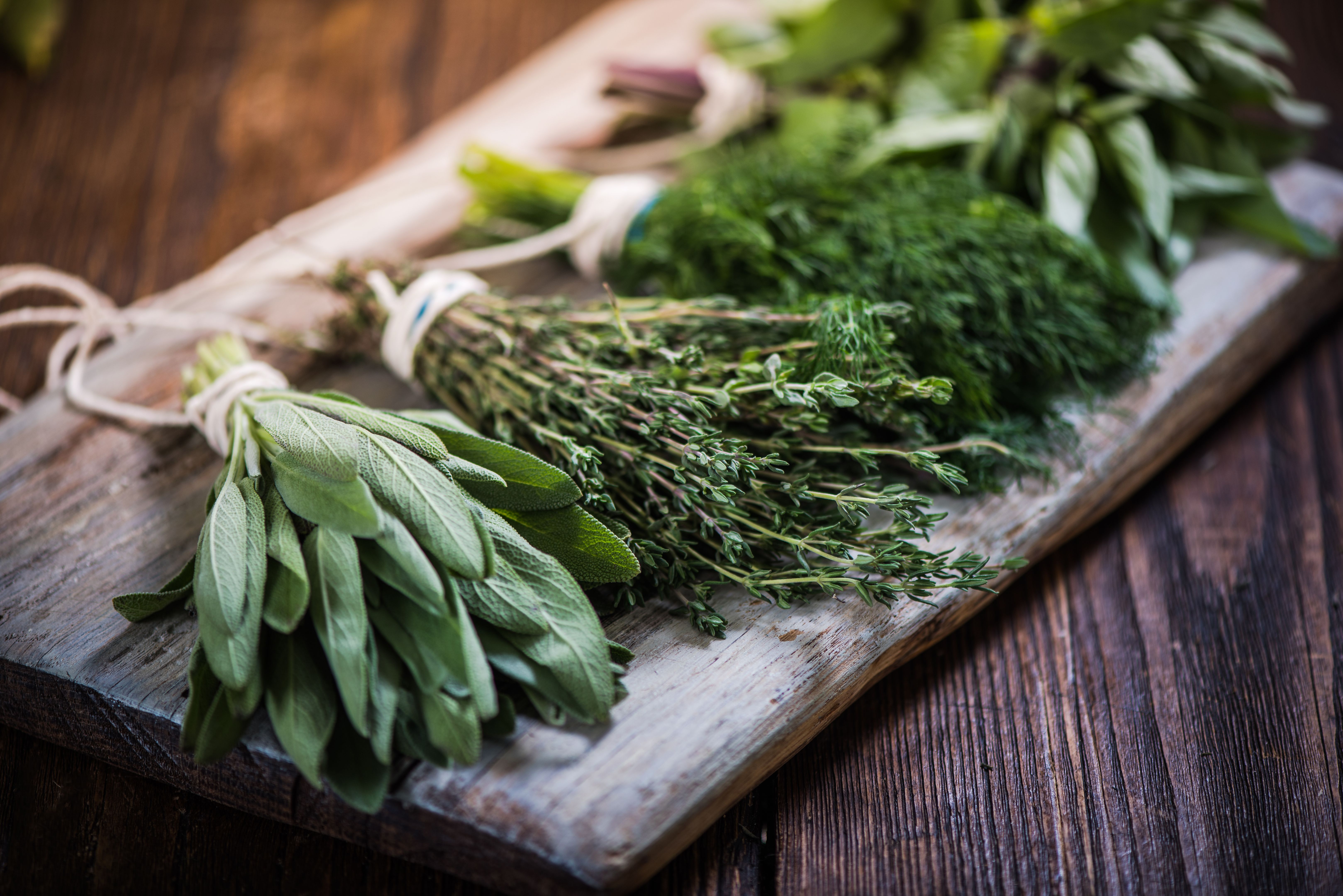
Fresh herbs play a crucial role in Vietnamese cuisine, providing both flavor and health benefits. Basil, mint, and cilantro are commonly used, often served on the side for diners to add to their preference. These herbs not only enhance the taste but also offer a refreshing contrast to the main dishes.
Pairing Beverages with Your Meal
Beverages are an integral part of the dining experience. Vietnamese iced coffee, known for its strong flavor and sweetened condensed milk, is a popular choice. Additionally, try traditional teas or a refreshing bia hơi (draft beer) to complement your meal. These drinks can enhance the overall dining ambiance.
Conclusion
Preparing for a Vietnamese dining experience involves understanding the cuisine, etiquette, and cultural nuances. By familiarizing yourself with essential dishes, menu navigation, and dining practices, you can fully immerse yourself in this rich culinary tradition. Enjoy the diversity and depth of flavors that Vietnamese food has to offer.